★★★★☆4.4(234 reviews)
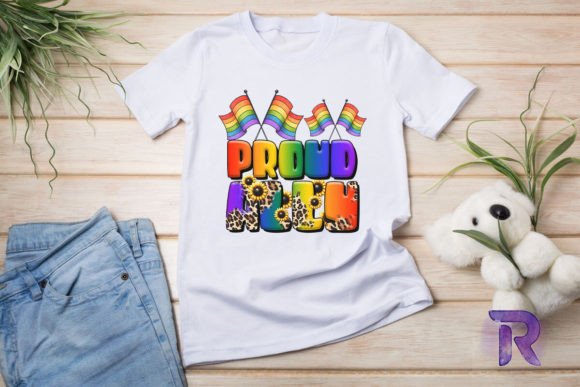
Western Proud Ally LGBT Sublimation PNG Review for Real Embroidery Projects
Performance Across Different Embroidery Uses
- Custom Apparel: Works beautifully on sweatshirts and t-shirts, especially when placed near the chest area. The colors pop against lighter backgrounds, and the design maintains visibility even after multiple washes.
- Tote Bags: Ideal for creating eye-catching, reusable bags. The flat surface allows for clean stitching, and the design complements both casual and upscale tote styles.
- Baby Clothes and Nursery Decor: Though more subdued in tone, the design can be adapted with softer thread colors for baby items or pillow covers. Just ensure the fabric is thick enough to support the stitch density.
- Holiday Gifts and Personalized Products: Makes for a great embroidered gift tag, apron patch, or decorative accent on kitchen towels. Its message adds emotional weight, increasing the giftability factor.
- Commercial Embroidery Projects: The design holds up well in production settings, particularly for small shop products like caps or aprons. It’s recognizable and professional, which supports brand consistency and customer trust.
- Printable Mockups and Digital Product Previews: If used as part of digital design assets, the PNG format ensures crisp edges and accurate color representation. This is helpful for Etsy sellers and craft businesses showcasing their designs online.
Where Caution Is Advised
- Small Hoop Sizes: Some details may get lost if the hoop size is too tight. Always confirm whether your embroidery software allows scaling without distortion.
- Textured or Stretchy Fabrics: On materials like denim, corduroy, or knits, the stitch density could cause puckering or misalignment. Consider using a light stabilizer to maintain quality.
- Dark Fabric Backgrounds: Thread contrast is essential for visibility. Test the design on black or navy fabric to see if the chosen thread colors still make an impact.
- Curved Surfaces (e.g., Caps): Due to the curved nature of these surfaces, some corners might distort unless properly adjusted in your embroidery software.
- Frequent Washing: For items like aprons or tea towels that endure regular use, always test the design on a sample first to check for durability and colorfastness.
Embroidery Designer Notes and Best Practices
- Test on Scrap Fabric First: Before applying it to a finished product, try stitching it on a scrap of the same material to assess tension, alignment, and overall appearance.
- Review Stitch Density: High-density areas may need thinning slightly depending on the fabric type to prevent over-stitching or puckering.
- Confirm Hoop Size Requirements: Since the design isn't scaled explicitly, make sure to adjust it within your compatible hoop size range.
- Inspect Small Details: Check for tiny lettering or intricate lines that may not translate well to fabric, especially if resizing is involved.
- Use Proper Stabilizer: Especially important for stretchy or lightweight fabrics to keep everything aligned during stitching.
- Compare Light and Dark Backgrounds: See how the design looks on white versus black fabric to choose the best option for visibility and aesthetic harmony.
- Check Licensing for Commercial Use: If you're planning to sell finished products or digital embroidery files, confirm that the licensing terms allow for such use. Many free or low-cost designs have restrictions.
⬇️ Download Free
Free download · No sign-up required
🔗 You Might Also Like
T-Shirt Designs
As an embroidery designer with years of experience in crafting both personal and...
T-Shirt Designs
First Impressions: A Wildly Confident Design When I first opened the Western Fre...
T-Shirt Designs
As a designer who spends more time than I care to admit staring at stitch densit...
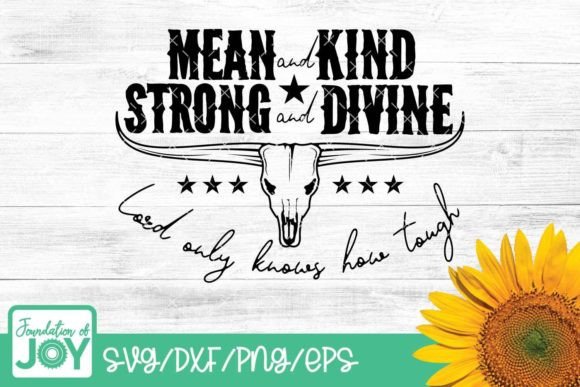
T-Shirt Designs
First Impressions and Visual Personality When I first opened the Country Western...
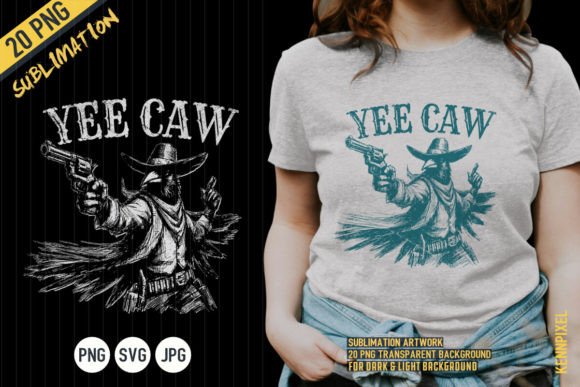
T-Shirt Designs
As an experienced embroidery designer and product reviewer, I often find myself ...
