Western Cowboy Vintage Embroidery Review
As a designer who spends more time than I care to admit staring at stitch density charts and testing thread tension, I approach every new embroidery file with a healthy dose of skepticism. The digital marketplace is flooded with generic assets, but finding a design that balances aesthetic charm with technical viability for actual production is rare. Recently, I pulled the Western Cowboy Vintage design from my folder to evaluate its potential for real-world application. This isn’t just about how it looks on a screen; it is about how it translates when stitched into fabric.
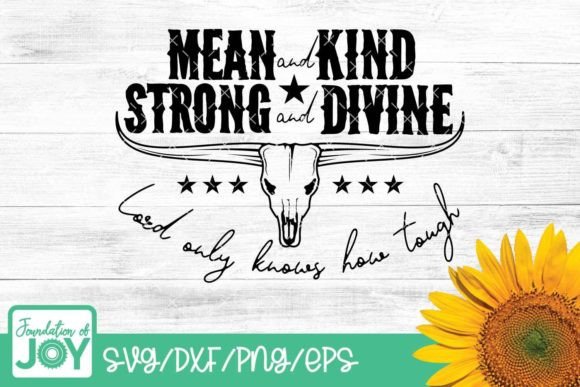
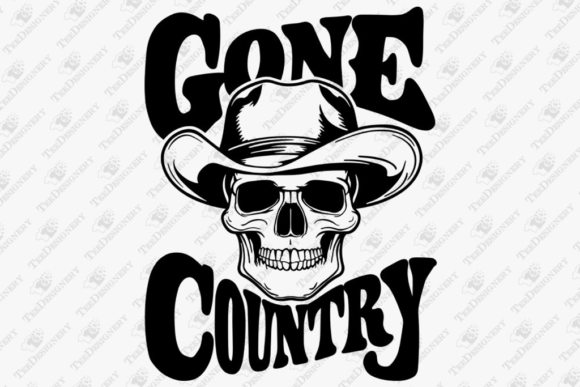
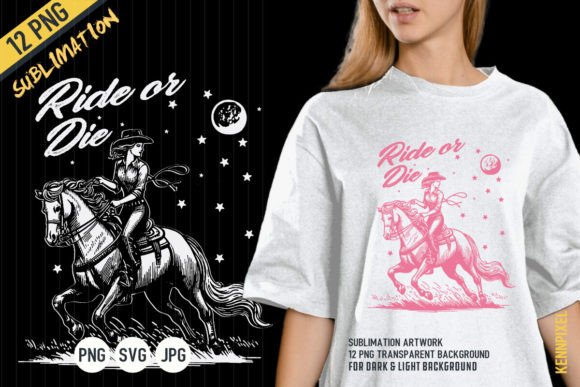
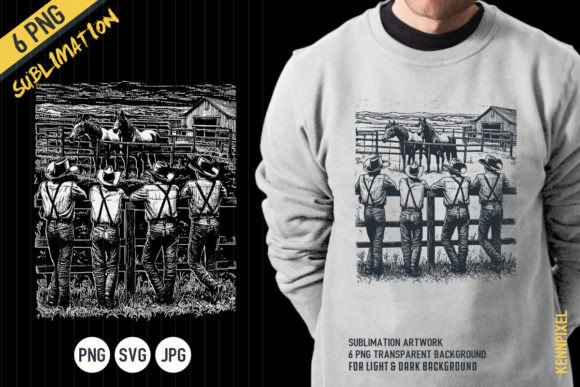
The immediate impression of Western Cowboy Vintage is one of rugged nostalgia without being cliché. The visual personality leans heavily into the classic Americana vibe, making it an instant fit for anyone looking to tap into the western or rustic aesthetic trend. For designers working in the T-Shirt Designs and Graphics categories, this asset offers a distinct flavor that stands out against the sea of modern minimalist typography. It feels like a piece that has history, which is exactly what customers are buying when they purchase handmade goods today.
Real-World Application: From Screen to Stitch
To truly judge a design, you have to imagine it on a product. I visualized Western Cowboy Vintage applied to a heavy-weight cotton canvas tote bag for a local craft fair booth. In this scenario, the design’s bold lines and vintage texture would anchor the bag, giving it a premium, boutique feel. It transforms a simple accessory into a statement piece. Similarly, I see this working exceptionally well as an embroidered patch on a denim jacket or a structured baseball cap.
However, the versatility extends beyond apparel. I also tested the mental image of this design on a soft, cream-colored baby onesie. While the western theme might seem masculine, the vintage rendering often softens the edges enough to work beautifully for gender-neutral nursery decor or a child’s first rodeo outfit. For small business owners and Etsy sellers, this adaptability is crucial. A single strong design can be marketed across multiple categories—from custom apparel to personalized gifts—maximizing your return on investment for each design asset.
The mood created by Western Cowboy Vintage is warm, inviting, and slightly rugged. It suggests craftsmanship and authenticity. When a customer sees this on a finished product, they associate it with quality and tradition. This emotional connection is what drives sales in the craft business. It is not just a graphic; it is a vibe that resonates with buyers who value heritage and handcrafted details.
Technical Performance and Stitch Considerations
From a technical standpoint, the success of any machine embroidery design relies on how well the artist managed the stitch types. Western Cowboy Vintage appears to utilize a mix of satin stitch for outlines and borders, providing clean definition, while likely employing fill stitch for larger background areas or textural elements. This combination is vital for maintaining clarity. If the stitch density is too high, the fabric will pucker; if it is too low, the underlay may show through, ruining the professional look.
For those planning to use this in a commercial embroidery setting, paying attention to the hoop size limitations is essential. Large designs require stable fabric and proper hooping techniques to prevent shifting. If you are working on curved surfaces like caps or hats, you must ensure the design scales appropriately so that the central focal point remains intact and does not stretch unnaturally over the curve.
Another critical factor is the choice of thread colors. The vintage aesthetic often benefits from muted, earthy tones or distressed effects. When digitizing or selecting threads, avoid overly bright, synthetic colors that clash with the intended aged look. Instead, opt for threads that mimic natural fibers. Testing the design in a black-and-white mockup first can help you evaluate the contrast and balance of the shapes without the distraction of color, ensuring the composition holds up regardless of the palette you choose.
Where Caution Is Required
No design is perfect for every surface. There are specific scenarios where Western Cowboy Vintage might struggle. Avoid placing this design on extremely thin or highly textured fabrics like loose-weave linen or thick bouclé wool. The needle penetration required for detailed stitching can distort these materials, leading to a messy finish. Similarly, stretchy knits require special attention; if the stabilizer is not chosen correctly, the design will warp during washing.
Small hoop sizes present another challenge. If the design contains intricate details or tiny lettering, attempting to stitch it in a very small area may result in lost definition. The stitches may merge together, turning crisp lines into blobs. Always inspect the smallest elements of the design before committing to production. If you plan to sell these items, consider offering them on products with ample space, such as full-front sweatshirts or large pillow covers, rather than tiny pockets or cuffs.
Frequent washing is also a consideration. Designs with high stitch density and dense fill stitch areas can become stiff after multiple wash cycles. To maintain the soft hand-feel of the final product, advise customers to turn garments inside out before washing and to use gentle cycles. This is especially important for handmade product branding, where customer satisfaction depends on the longevity of the item.
Practical Designer Notes for Success
Before adding Western Cowboy Vintage to your catalog or using it for a client project, follow these practical steps to ensure a flawless outcome:
- Test on Scrap Fabric: Never go straight to the final garment. Stitch the design on a scrap of the exact fabric you intend to use. This reveals issues with tension, puckering, or color contrast early.
- Check Stabilizer Compatibility: Match your stabilizer to the fabric weight. Heavy cut-away stabilizers are best for wovens, while tear-away or removable stabilizers may work for lighter knits. Using the wrong stabilizer is the most common cause of failed embroidery projects.
- Verify Licensing: If you are an Etsy seller or run a small shop product line, confirm the licensing terms. Ensure you have the right to sell physical items made from this design. Some licenses restrict commercial use or limit the number of units you can produce.
- Create Printable Mockups: Use the included high-resolution files to create realistic previews. Showing the design on different colored backgrounds helps customers visualize the final product and increases buyer engagement.
- Review File Formats: The package includes various formats, including vector and raster files. Use the SVG for scalable editing in Adobe Illustrator, and the PNG/JPG for quick previews. Ensure your digitizing software supports the specific format of the embroidery file.
Final Verdict
Western Cowboy Vintage is a strong addition to any designer’s library. It captures a timeless aesthetic that appeals to a broad audience, from hobbyists making holiday embroidery gifts to professional decorators creating brand consistency for western-themed businesses. Its visual appeal is high, and with careful attention to fabric choice and stabilization, it produces a polished, professional result.
Whether you are creating a unique tote bag design, upgrading a sweatshirt embroidery collection, or crafting a sentimental baby embroidery piece, this design offers the flexibility and charm needed to stand out. By treating it with the respect due to a quality digital embroidery file—testing thoroughly and understanding its technical limits—you can deliver finished products that earn customer trust and repeat business. It is a reliable, stylish choice for anyone serious about their craft.