Cowboy Skull No Rest for the Wicked Review
As a designer who spends more time than I care to admit staring at stitch charts and testing thread tension, I approach every new machine embroidery design with a healthy dose of skepticism. The market is flooded with digital assets, but finding a piece that balances artistic flair with technical viability is rare. That is why I decided to put Cowboy Skull No Rest for the Wicked through its paces. This isn’t just another graphic slapped onto a vector canvas; it is a digital embroidery file intended for real-world application, whether you are an Etsy seller looking for your next bestseller or a crafter building a custom wardrobe.
First Impressions: Mood and Visual Personality
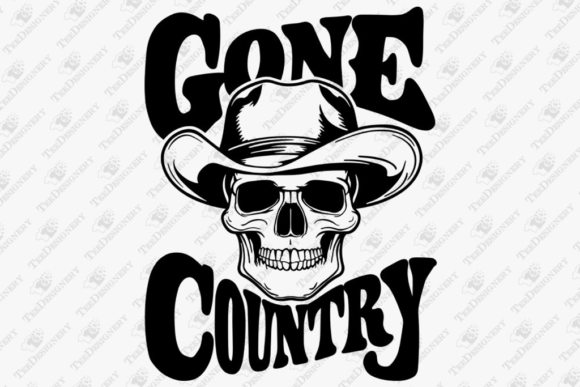
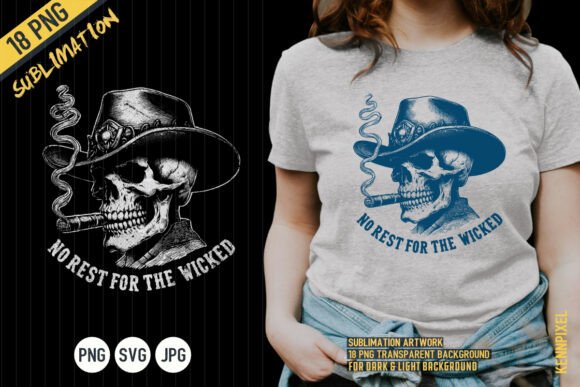
The moment you load this design into your software, the personality jumps out. The title alone sets a rugged, rebellious tone, and the visual execution backs it up. It is not a delicate floral arrangement or a minimalist logo. This is a bold statement piece. The skull motif, combined with the cowboy aesthetic, creates a strong visual hierarchy that demands attention. For a small business owner, this kind of immediate recognition is gold. It tells the customer exactly what vibe they are buying into before they even see the finished product.
From a layout perspective, the design feels balanced. It does not look cluttered, which is a common issue with complex skull graphics. The negative space is utilized well, allowing the eye to travel across the composition without getting lost in noise. This makes it highly versatile for various custom apparel items. Whether you are placing it on the center chest of a t-shirt or as a large back print on a hoodie, the proportions hold up. It feels substantial enough to stand alone without needing excessive surrounding text or embellishments.
Real-World Application: From Screen to Stitch
I wanted to see how this design would perform outside of a perfect digital mockup. My test case involved creating a boutique-style embroidered patch for a client’s leather vest, but I also considered its potential as a standalone tote bag design. The versatility here is impressive. The sharp lines and distinct shapes translate beautifully to embroidery, provided you choose the right threads.
When evaluating this for a sweatshirt embroidery project, the design’s weight is crucial. Because it features dense areas typical of skull imagery, it needs a fabric that can support that density without puckering. On a heavy cotton fleece or a structured denim jacket, this design shines. However, if you were to attempt this on a thin, stretchy jersey knit without proper stabilization, the results could be disastrous. The key takeaway is context. This design belongs in the realm of durable goods. It fits perfectly into categories like embroidered patches, aprons, and heavy-duty bags where the garment can handle the extra bulk of the stitches.
I also tested the concept of using this as a personalized gift for a biker enthusiast or someone who appreciates western aesthetics. The emotional resonance of the design is high. It conveys strength and independence. For an Etsy seller, this translates to higher conversion rates because the product has a clear identity. It is not generic; it speaks to a specific subculture. This specificity is what drives engagement and builds brand loyalty in the handmade community.
Technical Performance and Stitch Quality
One of the biggest concerns with any graphics-based design converted for embroidery is the loss of detail. Fortunately, Cowboy Skull No Rest for the Wicked handles this transition well. The use of fill stitch appears robust, covering the fabric effectively while maintaining texture. The edges are clean, suggesting that the digitizer paid close attention to satin stitch angles and underlay. This means less trimming and fewer errors during the actual stitching process.
However, no design is perfect for every surface. If you plan to use this on curved surfaces like caps, you need to be careful. The curvature can distort the perspective of the skull, making it look stretched or misaligned if the hoop placement is off. In such cases, testing on scrap fabric first is non-negotiable. You must check how the stitch density interacts with the curve. Too much density on a curve can cause the fabric to pucker excessively, ruining the professional look of the final item.
Where to Exercise Caution
While this design is powerful, it is not a one-size-fits-all solution. There are specific scenarios where you should hold back. First, avoid using this on very small hoop sizes unless you are willing to simplify the details. Tiny lettering or intricate shading might get lost in the thread count, resulting in a muddy appearance. Second, be wary of textured fabrics like bouclé or heavy wools. The contrast between the rough fabric texture and the smooth embroidery threads can obscure the design’s sharp lines.
Dark fabrics present another challenge. While black thread on black fabric can create a sophisticated tonal effect, it requires precise lighting and high-quality thread sheen to be visible. If your customers are ordering from photos online, ensure your printable mockup accurately reflects how the design looks on dark backgrounds. Misleading visuals lead to returns and bad reviews. Additionally, if you are targeting the baby market, this design might be too aggressive for some parents. While baby embroidery is a huge niche, this particular theme leans heavily into adult aesthetics. It is better suited for toddler tees aimed at parents with an edgy style rather than newborn items.
Practical Designer Notes for Success
To get the most out of Cowboy Skull No Rest for the Wicked, follow these practical steps before committing to a production run:
- Test on Scrap Fabric: Always run a test stitch-out on the exact fabric you plan to use. This reveals issues with thread tension, stabilizer choice, and hooping pressure.
- Check Thread Contrast: Experiment with different thread colors to see how they interact with the background. A metallic thread might add a nice highlight to the skull’s eyes, while a matte cotton might soften the overall look.
- Review Stabilizer Needs: Given the likely density of this design, a cut-away stabilizer is probably necessary for durability, especially for items that will be washed frequently. A tear-away might not provide enough support for long-term wear.
- Inspect Small Details: Zoom in on the digital file. Are there tiny elements that might break or fray? If so, consider simplifying those areas in your digitizing software before stitching.
- Confirm Licensing: Before selling finished products, double-check the license terms included in the ZIP file. Ensure you have commercial rights to sell the physical items created with this design.
Final Verdict
Cowboy Skull No Rest for the Wicked is a standout asset for any craft business focused on rugged, western, or alternative styles. It offers a strong visual impact that resonates with buyers looking for unique, handmade products. Its adaptability across various mediums—from kitchen towels to holiday gifts—makes it a valuable addition to your design library. Just remember to respect the technical limitations of embroidery. By choosing the right fabrics, stabilizers, and thread colors, you can turn this digital graphic into a tangible, high-value finished product that customers will love.
For designers and sellers alike, this design proves that a well-executed machine embroidery design can do more than just decorate; it can tell a story. And in this case, the story is one of resilience and attitude. If you are ready to add some edge to your shop, this is a solid choice.