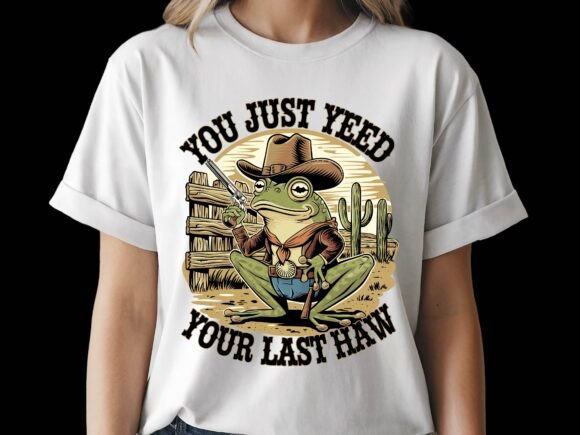
You Just Yeed Your Last Haw Cowboy Frog
When I first opened the digital files for You Just Yeed Your Last Haw Cowboy Frog, I was immediately drawn to its quirky charm and bold visual presence. This design feels like a conversation starter — it’s not just an embroidery file, but a character in itself. With its playful frog wearing a hat and boots, this machine embroidery design has a clear theme: fun, nostalgia, and a touch of Americana. It’s the kind of artwork that makes me think of custom apparel or personalized gifts, especially when targeting a younger audience or those with a love for retro aesthetics.
First Impressions and Design Personality
The layout is balanced yet dynamic, with the frog positioned centrally as if ready to leap off the fabric. The level of detail is surprisingly high for a print template, and while there are no stitch counts listed, the lines and shapes suggest a mix of satin stitch outlines and fill areas. This gives it a clean, polished look that could translate well into both hand-embroidered and machine-stitched projects.
I found myself imagining how it would look on a soft cotton sweatshirt or even as an embroidered patch for a denim jacket. The humor in the phrase “You Just Yeed Your Last Haw” adds personality — perfect for boutique branding or craft fair products where uniqueness is key. But before jumping in, it’s important to consider the practical side of using this design in real-world embroidery scenarios.
Real-Life Application and Project Fit
One of my go-to test cases for any new design is creating a custom embroidered tote bag. In this case, You Just Yeed Your Last Haw Cowboy Frog could work beautifully on a medium-weight cotton canvas, especially if paired with a subtle background color to let the frog stand out. The shape is large enough to be eye-catching but not so overwhelming that it drowns the garment. However, keep in mind that the intricate facial features and small details might require extra attention when stitching by machine.
This graphics file also fits well into holiday gift embroidery or nursery decor. For instance, using it on a baby sweater or a pillow cover could give a whimsical, handmade feel that appeals to parents looking for unique items. As a tote bag design, it can become a staple in a small shop product line or Etsy listing, especially if you’re selling seasonal or themed merchandise.
Where to Use Carefully
While the design is versatile, there are a few limitations worth noting. If you're planning to use this in a small hoop size, say under 4 inches, the fine details may get lost or distorted. Also, because the frog is a central figure with some depth in shading, using it on textured fabrics like flannel or corduroy could affect the clarity of the final product. Similarly, thin or stretchy materials might not hold up well under dense stitch areas, which could cause puckering or distortion.
Dark fabric backgrounds are another consideration. The thread colors included in this embroidery file are likely light-toned, so placing them against a black or navy backdrop might make the design less visible. I recommend always checking thread color contrast before finalizing your project. And for curved surfaces like caps or hats, the design’s larger proportions may need resizing or repositioning to maintain visual appeal without stretching the image unnaturally.
Impact on Product Value and Customer Perception
From a business perspective, this design elevates the visual appeal of any finished product. Whether it's part of a custom apparel collection or used in holiday embroidery, it adds a sense of whimsy and professionalism. Customers tend to trust and connect with designs that have a strong visual identity, and this one definitely delivers. It’s ideal for personal and commercial embroidery projects alike, particularly for crafters aiming to offer something memorable and recognizable in their handmade product lineup.
As an Etsy seller or someone running a small shop product line, incorporating this into your offerings can boost buyer engagement. The design’s playful nature makes it suitable for kids’ items or novelty gifts. For more mature audiences, it could still work if styled appropriately — maybe as a retro-inspired embroidered patch or part of a vintage-themed sweatshirt collection.
Designer Notes for Optimal Use
- Test on scrap fabric first: Especially if you're using it for a commercial embroidery run, try stitching it on a sample piece to see how it handles different materials and settings.
- Review stitch density: Since the design includes detailed areas, adjusting the stitch density may help prevent over-stitching or fabric damage.
- Confirm hoop size: Make sure the hoop you plan to use is large enough to accommodate the full design without forcing it into a smaller space.
- Inspect small details: Check the frog’s eyes, mouth, and other expressive elements closely. These could be tricky to stitch clearly, depending on your machine and settings.
- Use proper stabilizer: To avoid puckering, especially on lighter or stretchier fabrics, backing with a good quality stabilizer is essential.
- Check licensing before selling: Always confirm whether the design allows resale of finished products or digital embroidery files, as this will impact your ability to use it in a commercial setting.
Design Assets for Creative Entrepreneurs
As a digital embroidery file, this Print Templates offering includes SVG, EPS, PDF, and AI formats — great news for designers who want to manipulate the layout or scale the design for different uses. Whether you're working on printable mockups for online listings or preparing for a sweatshirt embroidery order, having these options available helps streamline your workflow. The flexibility of the Graphics format means you can adapt the design for various media beyond fabric, like mugs or kitchen towels, making it a valuable addition to your design assets library.
Final Thoughts from the Field
In the world of custom apparel and handmade products, the right design can make all the difference. You Just Yeed Your Last Haw Cowboy Frog isn’t just a novelty — it’s a design with character that can fit into multiple niches. From a practical standpoint, it’s best suited for mid-sized projects where the design can breathe and show off its details. Avoid using it on dark or highly textured fabrics unless you’re prepared to adjust thread colors or stitch types accordingly.
If you’re an embroidery designer, a hobbyist, or a small shop owner looking to expand your product range, this is a solid choice for adding a touch of humor and creativity to your work. Just remember to approach it with the same care and precision you’d apply to any professional embroidery project. Test thoroughly, choose the right fabric, and let the design shine where it belongs — on a product that people will smile at, recognize, and perhaps even sing about.