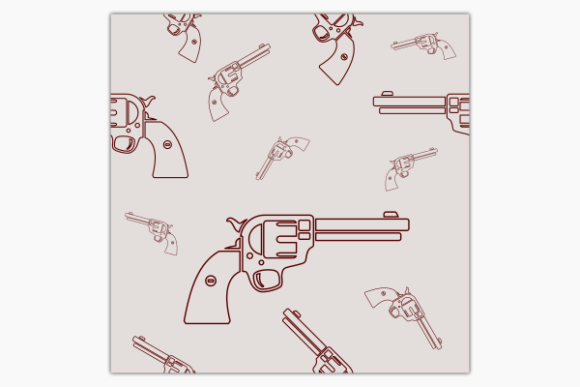
Reviewing Outline Style Revolver Seamless Pattern
When I sit down to evaluate a new machine embroidery design, I am rarely looking for something that simply fills space. I am looking for intention. I am looking for a design that holds up under the tension of thread, translates well across different fabric textures, and adds genuine value to the final product. Recently, I’ve been reviewing an Editable SVG vector of outline classic vintage cowboy’s revolver gun illustration as seamless pattern, marketed broadly under the categories of Patterns and Graphics. While the source is digital, my focus here is strictly on its viability as a physical embroidery project.
This isn’t just another generic western clipart file. It is a seamless pattern built from clean, outlined shapes. For designers who specialize in custom apparel, craft business items, or boutique branding, understanding how this specific aesthetic translates from screen to hoop is critical. Below is my practical assessment of using this design in real-world scenarios, from Etsy listings to high-end client gifts.
The Visual Personality and Mood
The first thing you notice about this embroidery file is its graphic clarity. Because it relies on outlines rather than heavy fill stitches, it carries a distinct "western" or "cowboy" vibe without feeling cluttered. The mood is rugged yet refined. It evokes a sense of heritage, which makes it incredibly versatile for specific niches.
In terms of visual personality, the design feels balanced. A seamless pattern implies repetition, but because these are outlined revolvers, the negative space plays a huge role. When stitched, the background fabric becomes part of the design. This is crucial for embroidery project planning. If you stitch this on a raw denim jacket, the blue denim shows through the gaps, enhancing the theme. If you stitch it on white cotton, it looks more like a technical blueprint or a modern logo. This duality gives the designer control over the final aesthetic.
For small shop product owners, this kind of thematic consistency is gold. It immediately signals a target audience: those who appreciate Americana, ranch life, or vintage aesthetics. It doesn’t scream; it whispers with confidence. That subtlety often leads to higher perceived value in the eyes of the buyer.
Real-World Application: The Custom Tote Bag Scenario
To truly test a design, you have to imagine it on a finished product. Let’s look at a common scenario: creating a custom embroidered tote bag design for a local farmer’s market or a craft fair booth.
Imagine you are preparing a set of canvas totes for a boutique gift shop. You want the bags to feel sturdy and authentic. Using this revolver pattern as an all-over print effect (stitched densely) or as a border along the handles creates a strong brand statement. The outline style works exceptionally well here because it mimics the look of woven textiles or printed labels, bridging the gap between digital graphics and tactile crafts.
However, consider the customer experience. A buyer picking up a tote with this design expects durability. The clean lines of the revolver illustrations suggest precision. If the stitching is sloppy, the illusion breaks. But if executed well—using consistent thread colors and proper tension—the result looks professional. It elevates a simple canvas bag into a piece of wearable art. This is particularly effective for personalized gift markets, where buyers are paying for uniqueness and storytelling.
Performance in Stitching and Fabric Interaction
Not all designs behave the same way when they hit the hoop. Here is how this specific pattern performs in various custom apparel situations.
- Stitch Density and Clarity: Because the design is primarily outlines, it likely utilizes a mix of running stitch and perhaps some light satin stitch for definition. This is excellent for reducing bulk. Heavy fill stitches can make garments stiff and uncomfortable, especially on sweatshirt embroidery or baby clothes. This outline approach keeps the fabric flexible, which is a major selling point for comfort-focused customers.
- Fabric Texture Compatibility: This pattern shines on smooth fabrics like cotton twill, denim, or linen. The clean lines remain crisp. However, on highly textured fabrics like chunky knits or bouclé, the details might get lost. In those cases, the contrast between the thread and the fabric texture becomes the deciding factor for success.
- Color Contrast: Outlined designs rely heavily on edge definition. If you use a black revolver outline on a black fabric, it will disappear unless you use a metallic or contrasting thread. For best results, test your thread colors against your base fabric. High contrast ensures the intricate details of the revolver shape are visible, maintaining the integrity of the design assets.
Where Caution Is Required
Even the best digital embroidery file has limitations. As an experienced reviewer, I must highlight where this design could fail if not handled with care.
- Small Hoop Sizes: If you attempt to digitize or scale this down too small, the individual revolver shapes may merge into an indistinct blob. Ensure your hoop size allows each element enough breathing room. Tiny lettering or minute details within the revolver illustration should be avoided if scaling down.
- Stretchy and Curved Surfaces: Applying this to curved surfaces like caps or hats requires careful stabilization. Stretchy fabrics can distort the geometric nature of a seamless pattern. Always use a proper stabilizer to prevent puckering, which would ruin the sharp lines of the outline.
- Dense Stitch Areas: While the design is outlined, if the pattern repeats too closely, you risk creating dense areas that are difficult to embroider cleanly. Check the spacing. If the elements touch, ensure there is enough clearance for the needle to pass through without breaking thread or distorting the fabric.
- Frequent Washing: For products like aprons or kitchen towels that undergo frequent washing, ensure the design is anchored properly. Loose threads in an outline pattern can snag easily. A good finish involves thorough trimming and backing.
Strategic Value for Sellers and Makers
For Etsy sellers and craft business owners, this design offers several strategic advantages. First, it taps into a evergreen niche. Western and rustic themes do not go out of style; they cycle back with trends in home decor and fashion.
Second, the seamless nature of the pattern allows for scalability. You can create large-scale prints for wall hangings or nursery decor, or smaller, repeated motifs for accessories like embroidered patch collections or keychains. This versatility increases the return on investment for your time.
Furthermore, using a clean, outlined graphic helps maintain brand consistency. It looks intentional and designed, rather than slapped-on. This professionalism builds customer trust. Buyers can tell the difference between a mass-produced item and a thoughtfully crafted handmade product. This design supports the latter.
Practical Designer Notes Before You Stitch
Before you commit to a full production run, follow these steps to ensure quality:
- Test on Scrap Fabric: Never skip this step. Test the design on the exact fabric you plan to sell. Observe how the thread interacts with the weave.
- Black and White Mockups: View your design in grayscale. This helps you judge contrast levels without being distracted by color choices. If the shapes aren’t clear in black and white, they won’t be clear in color.
- Inspect Small Details: Zoom in on the revolver illustrations. Are there any tiny bridges or delicate parts that might break during stitching? Simplify if necessary.
- Confirm Licensing: Since this is an editable SVG vector, verify the commercial usage rights. Can you sell the finished physical goods? Can you sell the digital file itself? Clear licensing protects your commercial embroidery business from legal issues.
- Check Stabilizer Needs: Depending on the fabric weight, you may need cut-away or tear-away stabilizer. Match the support to the stress points of the design.
Final Verdict
The Outline Style Revolver Seamless Pattern is a strong candidate for designers looking to add character to their finished product lineup. It balances thematic appeal with technical feasibility. By avoiding excessive density and focusing on clean lines, it respects both the machine’s capabilities and the wearer’s comfort.
It is particularly well-suited for holiday embroidery projects, wedding gifts for groomsmen, or branded merchandise for outdoor festivals. With proper execution, attention to contrast, and thoughtful application, this design can elevate a simple garment into a standout piece. For the discerning maker who values both aesthetics and functionality, this is a reliable tool in the arsenal.