Raccoon with Cowboy Hat Illustration Review: A Designer’s Perspective
As an experienced embroidery designer and product reviewer, I’ve had the chance to work with a wide variety of vector graphics and machine embroidery files. When I first saw the Raccoon with Cowboy Hat Illustration, I was intrigued by its playful yet polished look. It immediately struck me as a design that could add character to a range of handmade products or custom apparel projects. But how does it really hold up when applied to real-world embroidery? Let’s break it down.
First Impressions: Quirky Meets Sophisticated
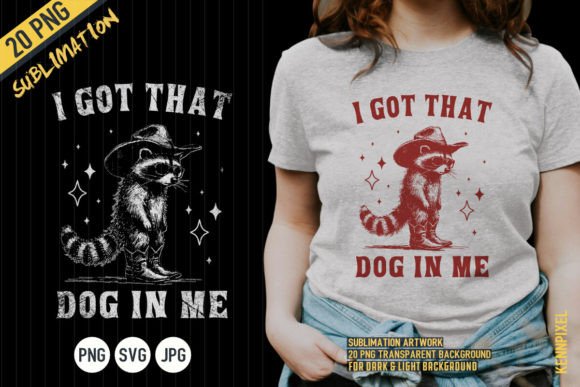
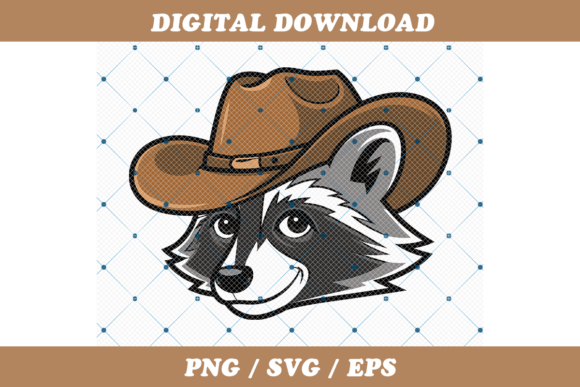
The Raccoon with Cowboy Hat Illustration is not your typical wildlife graphic. It blends whimsy with a touch of western flair, creating a unique visual personality. The raccoon is depicted in a stylized but detailed way—its fur lines are soft and flowing, and the cowboy hat has just the right amount of shading and texture to give it depth without becoming overly complex.
This kind of balance is rare. Many embroidered illustrations either fall into the trap of being too cartoonish or too stiff. This one walks the line between fun and professional, making it versatile for different audiences. Whether you’re targeting kids’ clothing, novelty items, or even branding for a small shop with a retro vibe, this illustration feels like it belongs.
Layout and Detail Level
The layout is centered, which makes it easy to position on a variety of surfaces. The detail level is sufficient for most embroidery applications—there’s enough nuance in the fur and brim of the hat to stand out, but not so much that it becomes unmanageable on fabric. That said, keep an eye on stitch density, especially in the hat and facial features, where more intricate work is done.
Real-Life Use Scenarios
I recently tested this design on a custom sweatshirt for a boutique client. The raccoon illustration sat nicely above the left pocket, drawing attention without overwhelming the garment. Here are some other practical applications I foresee:
- Tote bag design: Its bold presence works well as a central graphic. It adds charm and can be paired with text for a branded look.
- Baby clothes: The softness of the raccoon’s lines pairs beautifully with pastel fabrics, though the cowboy hat might need simplified stitching for delicate baby wear.
- Holiday gifts: Think Christmas sweaters or Halloween-themed accessories. The design brings a sense of humor and nostalgia.
- Embroidered patch: It translates well into a standalone patch, especially for denim jackets or bags looking for a pop of personality.
- Sweatshirt embroidery: The illustration holds up on thicker knits, especially if you use quality stabilizer and adjust tension accordingly.
For Etsy sellers or small shop owners, this design can become a signature piece. It's memorable and has broad appeal, which helps boost buyer engagement and giftability. If you're working on printable mockups for digital embroidery file previews, the vector nature ensures it scales cleanly and looks sharp in any resolution.
Designing for Visual Appeal and Brand Consistency
One thing I appreciate about this design is how it elevates the visual appeal of any project. It doesn’t feel generic or overused. Instead, it gives off a “handmade” vibe that appeals to customers who value unique, artisanal products. For someone running a craft business or selling personalized gifts, this kind of imagery can help establish a distinct brand identity.
However, it’s important to consider thread colors. The default palette includes shades that work well on light backgrounds, but if you plan to use it on darker fabrics, you may want to reverse the color scheme or opt for metallic threads to maintain visibility. Also, when using it as part of a larger set of design assets, make sure the raccoon aligns visually with your other graphics in terms of style and scale.
Where to Use It Carefully
While this design is versatile, there are certain situations where extra attention is needed:
- Small hoop sizes: The raccoon and hat take up a decent amount of space. Using it in a tiny hoop would compromise the details and readability.
- Textured or stretchy fabrics: The fine lines and curves may distort slightly on unstable materials. Always test on scrap before committing.
- Dense stitch areas: The head and hat require tighter stitches. On thin or layered garments, this can cause puckering or distortion.
- Dark fabric backgrounds: Unless you modify the thread colors, the raccoon may appear flat or lose contrast.
- Curved surfaces like caps
- Test it on scrap fabric first. Especially if you're using a new type of material or adjusting thread colors.
- Check stitch density in the fur and hat sections to avoid excessive bulk or puckering.
- Confirm the recommended hoop size—if it's not specified, estimate based on the illustration’s dimensions and your machine capabilities.
- Inspect small details like whiskers and hat shading. These should remain clear after stitching; otherwise, simplify them for better results.
- Use proper stabilizer for best outcomes, particularly on woven or stretchy fabrics.
- Try a black-and-white mockup to ensure visibility across different fabric tones.
- Review whether the design suits both personal and commercial embroidery uses—this will affect how you market it.
- If planning to sell finished products or digital embroidery files, always confirm licensing permissions beforehand.
On curved or irregular surfaces, such as baseball caps or curved patches, the alignment and proportions might shift during stitching. Take time to adjust the placement and test on a sample cap before mass production.
Designer Notes for Embroidery Projects
Here are my top tips for integrating the Raccoon with Cowboy Hat Illustration into your next embroidery project:
Stitch Clarity and Handmade Presentation
In terms of stitch clarity, the design handles both satin and fill stitches well. The face and body are mostly filled in with smooth gradients, while the hat and fur edges utilize satin stitch for definition. However, there are a few corners and small elements that could benefit from manual editing if precision is key to your project.
As a handmade product, the stitched raccoon maintains a clean, professional appearance. The mix of textures in the illustration adds dimension, which is great for personalized gifts or nursery decor. Just remember that the visual impact depends heavily on the quality of your execution—thread choice, tension, and stabilizer all play a role in how the final product turns out.
Customer Trust and Product Value
From a customer perspective, this design suggests thoughtfulness and creativity. It's not just an image—it tells a story. That kind of storytelling increases product value and customer trust, especially in a crowded marketplace like Etsy or at local craft fairs. People gravitate toward designs that reflect personality and intentionality.
When used in commercial embroidery, the Raccoon with Cowboy Hat Illustration can enhance your offerings by adding a touch of individuality. Clients are more likely to recognize and remember your work if the design elements are distinctive and consistent. It also supports brand recognition when repeated across product lines or promotional items.
Final Thoughts on Raccoon with Cowboy Hat Illustration
In short, the Raccoon with Cowboy Hat Illustration is a strong contender for creative entrepreneurs and hobbyists alike. It fits naturally into many embroidery project categories and brings a fresh, appealing twist to standard animal motifs. With the right preparation and adjustments, it can become a standout feature in your handmade product lineup.
That said, don’t overlook the importance of testing and adapting. Every machine embroidery design has its quirks, and understanding those is what separates good results from great ones. Whether you're preparing a holiday gift or launching a new line of small shop products, take the time to evaluate how this design interacts with your chosen materials and machines.
If you're looking for something that balances charm and professionalism, the Raccoon with Cowboy Hat Illustration deserves a place in your design toolkit. Just approach it with care, and let it shine where it matters most.