Country Western T-Shirt Mockup Review for Real Embroidery Projects
As an embroidery designer with years of experience working on both personal and commercial projects, I always take a close look at any new design or mock-up before using it in production. The Country Western T-Shirt Mockup is one such asset that caught my attention — not just for its aesthetic but for how it can translate into real-world applications. Let’s dive into what makes this mock-up a solid choice, where it shines, and where you might want to tread carefully.
First Impressions: A Design That Speaks Volume
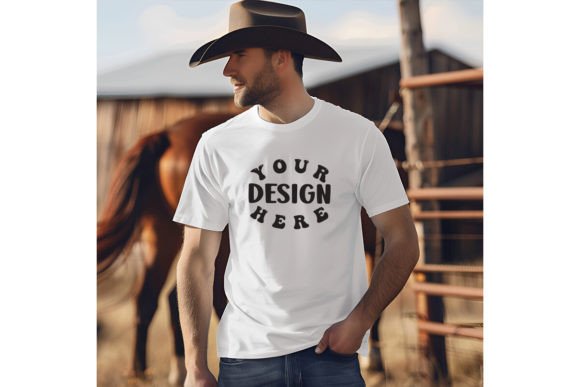
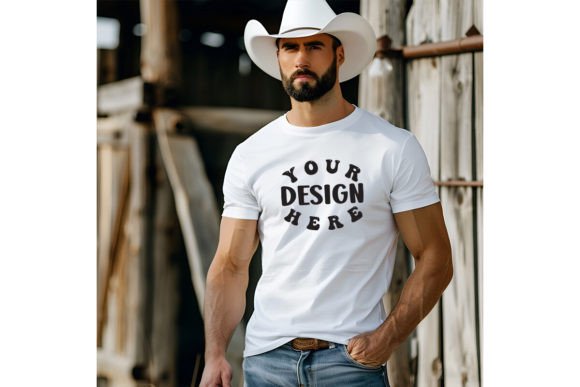
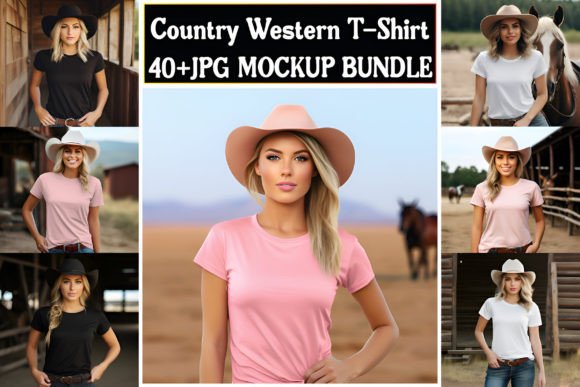
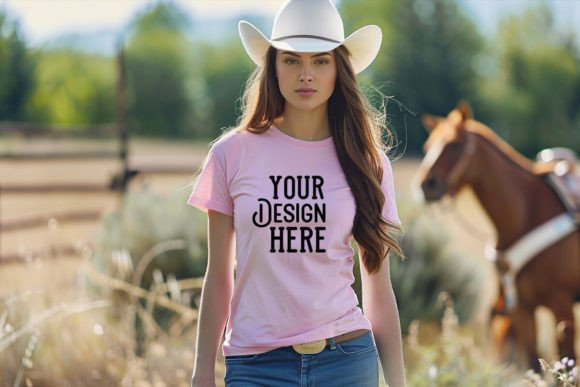
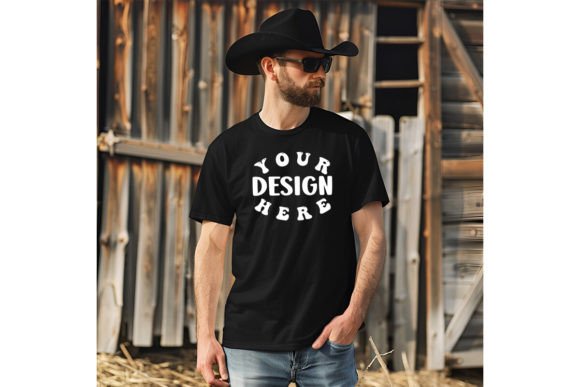
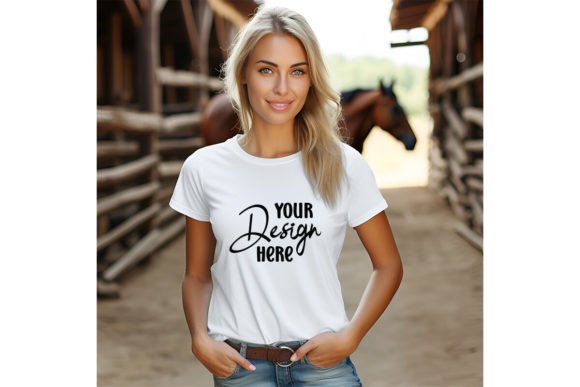
The moment I opened the Country Western T-Shirt Mockup, I was struck by its rustic charm and bold personality. It carries a classic Americana vibe with subtle details like stitching lines, collar texture, and realistic folds that give it a sense of depth and authenticity. The layout feels natural, as if someone had actually placed the embroidered graphic on a real shirt and photographed it under soft studio lighting. This kind of visual storytelling is essential when presenting your work to clients or customers who may not have a technical background in embroidery.
What stands out is the balance between detail and simplicity. It doesn’t overdo the fabric texture, which could make small design elements hard to see, yet it adds enough realism to help viewers imagine the final product. This mock-up works especially well for showcasing machine embroidery designs that feature western motifs — think cowboy boots, guitars, sunflowers, or vintage typography. Its neutral background allows the design to pop without overwhelming it.
Visual Personality and Mood
This mock-up naturally evokes a laid-back, country-inspired mood. The lighting is warm and inviting, making it ideal for handmade products like custom apparel or personalized gifts. If you're targeting a market that loves all things western or rustic, this is a great tool to show off your creativity in a way that feels genuine and approachable.
Real-Life Use Scenarios
I’ve used this mock-up in several practical situations, and here's how it performed across different embroidery project types:
- Custom Apparel: Perfect for displaying a customer’s name or logo in a western font style. The lighting highlights the satin stitch outlines beautifully.
- Sweatshirt Embroidery: When I tested the mock-up with a slightly larger version of the same design on a sweatshirt, the fold lines and shadowing made the embroidery appear more dimensional than a flat image would.
- Tote Bag Design: Translating the t-shirt mock-up to a tote bag format worked surprisingly well. The fabric folds were realistic, helping me visualize how the design would sit on a curved surface.
- Baby Clothes: I modified the design to be more playful and added some tiny western-themed graphics. The mock-up helped me present the idea in a believable context, showing how it would look after being stitched onto soft cotton onesies.
- Embroidered Patch: For smaller items like patches, the mock-up still gave a good sense of scale and placement, though I had to adjust the perspective manually to match a patch shape.
- Craft Business & Etsy Listings: As an Etsy seller, I found the mock-up incredibly useful for digital embroidery file previews. It gives potential buyers a clear idea of how their design will look once stitched — a big win for handmade product visibility.
Design Versatility and Brand Consistency
One thing I appreciate about the Country Western T-Shirt Mockup is its adaptability. Whether you're selling a satin stitch design for a western-themed boutique or using it to preview fill stitch patterns for a craft fair display, the mock-up maintains a consistent tone. This helps reinforce brand identity if you're planning to use it repeatedly across your product listings or social media.
Where to Use With Caution
While the mock-up is versatile, there are a few scenarios where you should proceed carefully:
- Small Hoop Sizes: If your design includes intricate details or multiple elements, placing it on a cap or patch may require adjusting the layout to avoid overcrowding.
- Textured Fabrics: Designs with fine running stitch lines may get lost on rougher fabrics like flannel or denim. The mock-up doesn’t account for fabric texture, so you’ll need to test accordingly.
- Stretchy or Thin Materials: On stretchy materials, the mock-up might not accurately represent how the design will hold up post-stitching. Always consider fabric behavior when choosing thread colors and stitch density.
- Dark Fabric Backgrounds: While the mock-up shows a light-colored shirt, I recommend creating a black-and-white version or overlaying a dark fabric swatch to see how contrast affects the final look.
- Layered Garments or Curved Surfaces: The mock-up is designed for a flat t-shirt, so if you’re embroidering on a curved surface like a cap or a hoodie pocket, you’ll need to adjust the positioning and possibly the size.
Detail Inspection Is Key
If your design includes detailed corners or tiny lettering (like a monogram), the Country Western T-Shirt Mockup can still be effective — but only if you zoom in during the preview. The lighting does a decent job of catching every nuance, but don’t rely solely on the mock-up. Always print a test piece or stitch it on scrap fabric to ensure the design remains legible and visually appealing after embroidery.
Impact on Customer Perception and Engagement
Using the right mock-up can significantly influence how customers perceive your embroidered product. The Country Western T-Shirt Mockup has a professional yet cozy feel, which is perfect for holiday gifts or personalized products aimed at niche markets. It helps build trust because it looks authentic — no cheap plastic or overly stylized visuals.
For small shop products or nursery decor, this mock-up elevates the presentation. It tells a story about the lifestyle your product fits into — whether it's a family gathering around a campfire or a casual weekend outfit. And for digital embroidery file sellers, it’s a reliable tool to showcase your design assets in a realistic context.
Stitch Clarity and Product Value
In terms of stitch clarity, the mock-up does a good job of simulating how the design will lay on the garment. However, it doesn't factor in stitch tension or the type of stabilizer used. These are critical for ensuring the finished product looks clean and professional. If your design uses dense stitch areas or decorative accents, you'll need to test those on actual fabric to confirm they won’t distort or pucker.
Also, keep in mind that while the mock-up enhances the visual appeal, the true value of your product comes from the execution of the embroidery itself. Don’t let the mock-up overshadow the importance of quality stitching and proper preparation.
Designer Tips for Getting the Most Out of Country Western T-Shirt Mockup
Here are some practical notes I've picked up using this mock-up in real projects:
- Test First: Always stitch your design on scrap fabric before applying it to the final product. Especially with complex western-style graphics, testing helps avoid surprises.
- Check Thread Color Contrast: Use the mock-up to evaluate whether your chosen thread colors stand out against the fabric. Dark thread on a dark shirt won’t do anyone any favors.
- Review Stitch Density: If your design includes a lot of fill stitch or overlapping elements, the mock-up might not reveal issues with bulkiness or distortion.
- Confirm Hoop Size: Since the mock-up doesn’t specify hoop requirements, double-check the dimensions of your design and compare them to the available hoop sizes for your machine.
- Inspect Small Details: Zoom in on the mock-up to see how your applique design or watercolor effect holds up at the pixel level. Tiny details often disappear when scaled down.
- Use Proper Stabilizer: Especially for thin or stretchy fabrics, the right stabilizer is crucial. The mock-up can’t simulate that, so plan ahead.
- Test in Black and White: Before finalizing your thread color palette, create a grayscale version of the mock-up to ensure your design remains visible on all fabric tones.
- Compare Light and Dark Backgrounds: Try placing the same design on a white, gray, and navy-blue mock-up to see how it adapts. This helps when designing for a broad audience.
- Confirm Licensing: If you're planning to sell the finished product or the digital file, always verify the licensing terms. The Country Western T-Shirt Mockup appears to be suitable for both personal and commercial use, but it's best to confirm before listing it on platforms like Etsy or wholesale sites.
Commercial and Personal Project Considerations
Whether you're a hobbyist looking to gift a custom country western-themed sweatshirt or a craft business owner preparing a line of handmade products, this mock-up serves as a strong foundation. It’s particularly useful for commercial embroidery projects that aim to maintain a cohesive style across multiple items — from aprons to pillow covers.
However, if you're designing for a high-volume production run or something that needs frequent washing (like baby clothes or kitchen towels), be sure to assess how the design will hold up long-term. The mock-up doesn’t show wear and tear, but you can simulate it by adding slight fading or wrinkling effects in post-production to set realistic expectations.
Final Thoughts for Embroidery Creators
The Country Western T-Shirt Mockup isn’t just another pretty template — it's a practical tool that bridges the gap between digital design and physical creation. It helps you present your work with confidence, whether you're pitching a custom apparel idea to a client or updating your Etsy store with new design assets.
Its strength lies in its ability to reflect the character of your embroidery work accurately. But remember, no mock-up is a substitute for real stitching. Combine it with thorough testing and thoughtful planning to ensure your finished product meets expectations — and maybe even exceeds them.
So, if you're ready to bring a touch of western flair to your handmade shop or digital offerings, the Country Western T-Shirt Mockup is worth considering. Just go in with your eyes open and a willingness to adapt. That’s what separates a good design from a great one.